During the first half of the 19th century Sherborne School boys used for games various pieces of ground dotted around the town, including The Terrace, a field near Oborne, ‘Humpty Dumpty’ field between the Bristol Road and Combe, and ‘Troy Town Close’ in Westbury.
The Upper and Lower
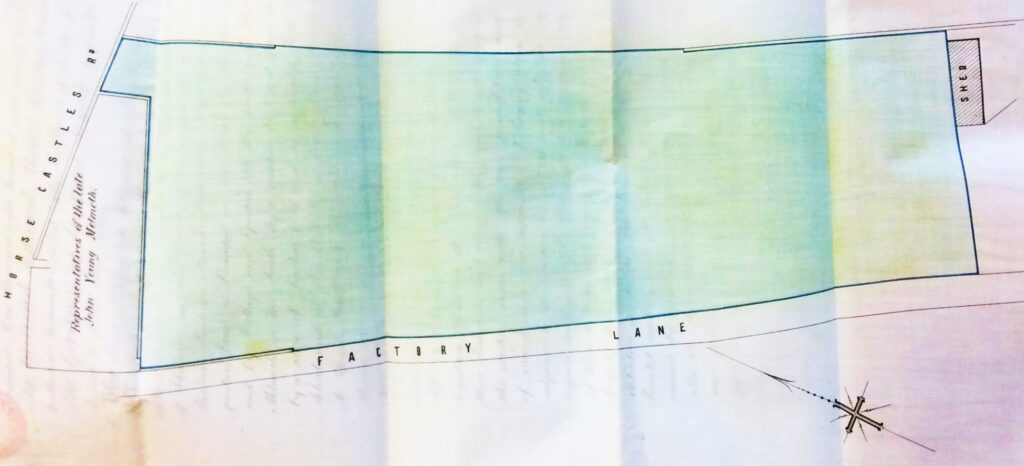
In 1856, Sherborne School first rented the present ‘Upper’ and ‘Lower’ from the Digby estate. The land, then known as ‘Abbotty Hall’ or ‘Napperty Hall’, comprised eight acres of pasture with a ‘stall’ or cowshed that had formerly been in the tenancy of Mark Willis Sherrin (1802-1861), a farmer-butcher with a shop in Cheap Street. The rent of £33 p.a. was raised in the first place by a pupil at the School, Henry John Rawlinson (1840-1926). Rawlinson was the son of the Rev. Henry Rawlinson of Allington and attended Sherborne School (School House) from 1852 to 1859, during which time he was a member of the 1st XI cricket team in 1856, 1857 and 1858 (captain) and captain of games.

The new ground needed a lot of improvement before it was to become ‘the finest piece of ground in Dorset, perhaps in the south of England’. After a large pond in the northeast corner had been filled in, four pitches were squeezed onto the ground: the ‘Upper’, the ‘Lower’ (then known as the ‘XXII Ground’), and two side grounds. Originally the field sloped away towards Westbury in the south, hence the naming of the ‘Upper’ and ‘Lower’ sections of the field, but in 1869 the field was generally levelled and an entrance was made from Horsecastles on the north.

In 1923 an impressive entrance to the Upper from Horsecastles was created by the relocation there of the original stone entrance gateway to the School Courts which, at Commem in 1948, was further embellished by the addition of a pair of iron gates (made at Milton Abbas) dedicated to Merrick Beaufoy Elderton (1884-1939) a former Housemaster of Abbeylands and master i/c cricket.

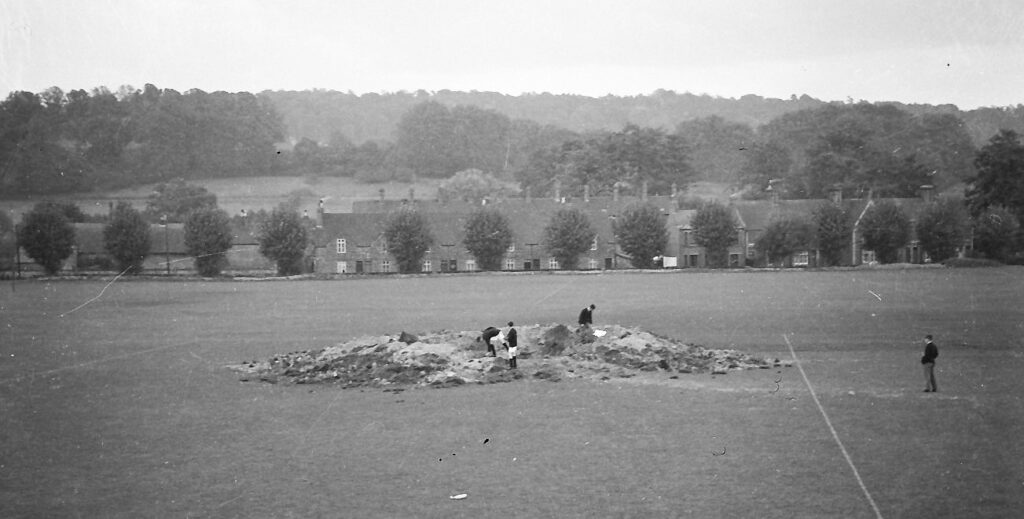
At 4.40 pm on Monday, 30 September 1940, Sherborne was heavily raided by a force of some 150 German bombers which dropped about 300 bombs (60 tons) in three lines across the town from Lenthay Common in the west to Crackmore in the east. Six bombs landed on the School playing fields and the Upper was put out of action for the rest of the season.
The Pavilion
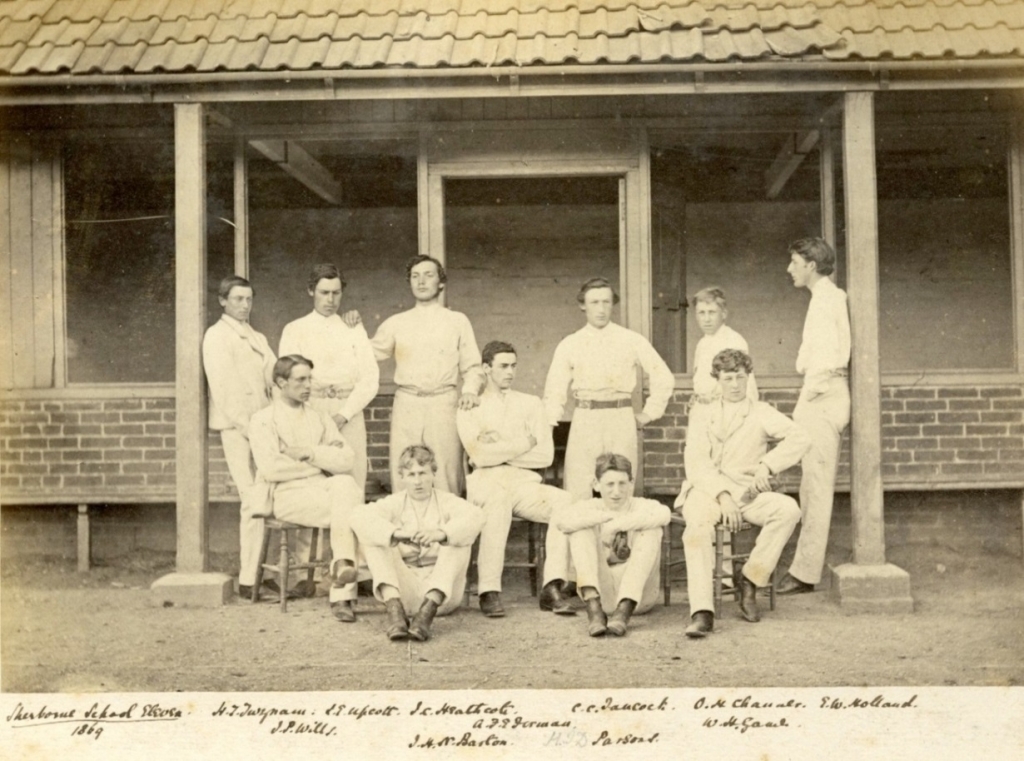
By 1860 the cowshed, ‘formerly used for cows, pigs and the like’, had been converted for use as a Pavilion, a modest one-storied affair on the site of the present building. The shed, however, soon became ruinous and dangerous and on 4 May 1863 plans for a ‘Cricket House’ were approved by the Sherborne Local Board of Health, with the cost of the new building being raised by subscription (£1 securing a locker and 10s. a peg for a boy’s time at the School). Behind the Pavilion a little shop was provided for the cricket professional. In 1873, it is recorded that the cricket professional caught two six-year-old children stealing gold watches ‘left by members of the XI in the King’s School cricket shed.’
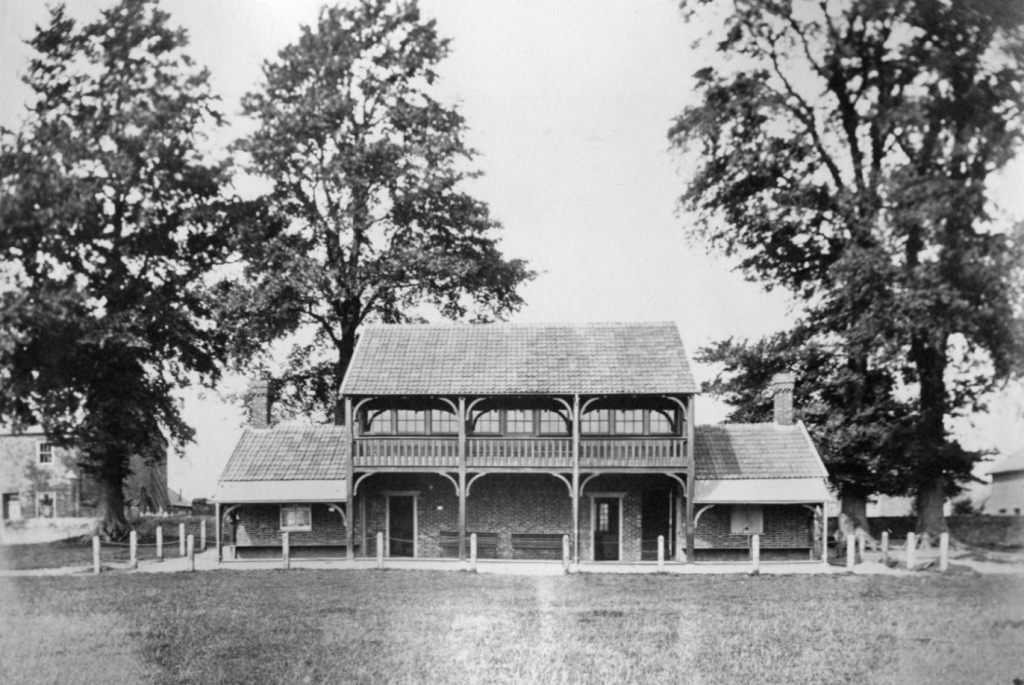
The present Pavilion dates from 1877 in its first form. That year an agreement was made between Thomas Farrall (builder) and the Rev. Hugh Penderel Price (1844-1902), then master i/c of games, to rebuild the Pavilion. The cost of about £400 was raised by subscriptions from the Masters and Old Shirburnians, with the largest donation being made by Headmaster H.D. Harper (£15). The rebuilding began during the 1877 Easter holidays and was almost completed by June of that year. When completed the new Pavilion contained a dining room and balcony upstairs, with on the ground floor a veranda, a dressing room for strangers, two dressing rooms for boys, and improved accommodation for the cricket professional and, more importantly, for refreshment.
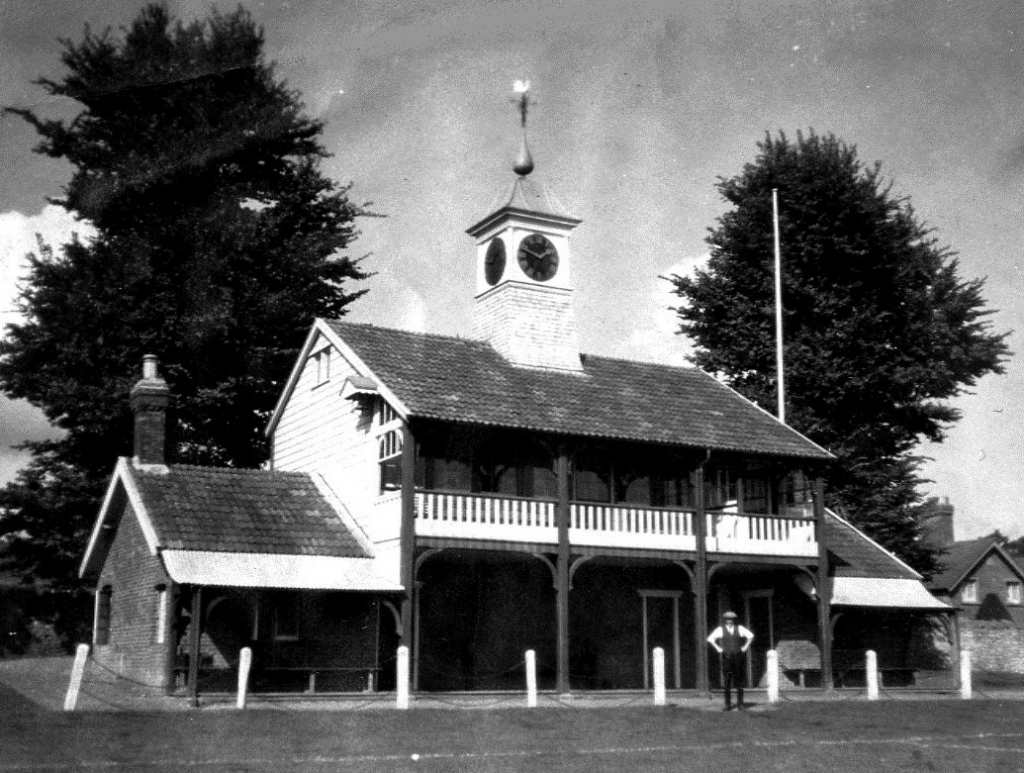
A clock turret was added in 1913, designed by Old Shirburnian architect Robert Alexander Briggs (1858-1916) (Abbeylands 1872-1875). Briggs had made one appearance on the Upper during his time at Sherborne when, in September 1872, he appeared with an Abbeylands team against the Town, unfortunately Abbeylands lost by an inning and 16 runs. In 1913, Cricket Lodge was built for the cricket professional at the southwest corner of the grounds. In 1930, the upper part of the wings were built onto the Pavilion and in 1934, inspired by the black and gold boards at Westminster School, A.H. Trelawny-Ross arranged for Mr Sugg of Wingfield Road to paint the Team Boards blue and gold. In 1936 an eastern clock face was added to the turret, and in 1954 the balcony was doubled at a cost of £1000 paid for by A.B. Gourlay. On the west wall of the Pavilion hung the roll call bell that interrupted all afternoon games when it summoned the boys to the Pavilion to answer their names with the reply ‘Adsum’.
The Upper’s first score box (small and ill-placed on the Pavilion balcony) seems to have lasted from Victorian times until after the Second World War. A much larger replacement in the southwest corner of the ground was given, after some twenty seasons’ service, to the Thornford Club. The present box was presented by the Pilgrims in 1965.
Young’s
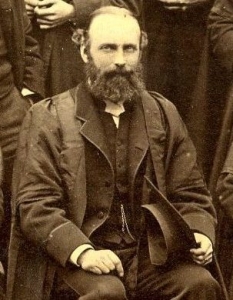
‘Young’s’ or the ‘Third Ground’, lying to the west of the Upper, was purchased for £860 by Headmaster Edward Mallet Young on 24 December 1887 from J.& R. Willmott Ltd., silk weavers. The field was originally known as ‘Pigeon House Close’ and had previously been used by the Blackmore Vale Archery Club. Young was born at Cookham, Berkshire, on 24 January 1839, and was educated at Eton College and Trinity College, Cambridge (where he was awarded the Browne medal in 1860 for his Latin ode on the fate of Franklin). He worked for a brief time as private tutor to Lord Beaumont, then a boy at Eton, and also to His Royal Highness the Duke of Albany. From 1864 to 1878 he taught at Harrow where he is credited with introducing the game of Fives.
In 1878, Young was appointed Headmaster of Sherborne School, where he remained until 1892. During his time at Sherborne, Young instituted Commemoration Day, wrote the words for the School song, Carmen Saeculare, and built the West Cloister (1879), the gymnasium (1885), and the Sanatorium (1887). After leaving Sherborne in 1892, he was appointed rector of Rothbury in Northumberland (1894-1900) and was also an Honorary Canon of Newcastle (1897-1900). Young died on 19 December 1900 and was buried in All Saints churchyard, Rothbury. By his will, Young devised ‘Pigeon House Close’ to the School on the condition that within three years of his death the Governors should purchase the adjoining Upper and Lower. In 1902, thanks to the representations of Mr. Digby, his trustees agreed to sell the field to the School Governors at the low price of £2200. The purchase money was subscribed by Governors, Masters and Old Shirburnians, with the more generous donations being made by J.K.D. Wingfield Digby MP (£300), Headmaster F.B. Westcott (£250), Frederick Temple, Archbishop of Canterbury (£100), and Henry Robinson King (£100). The profits from the working of an old gravel pit on its southern edge were used to level the ground and build up the west wall securely against Ottery Lane, which considerably increased its area.
Sir Arthur Conan Doyle
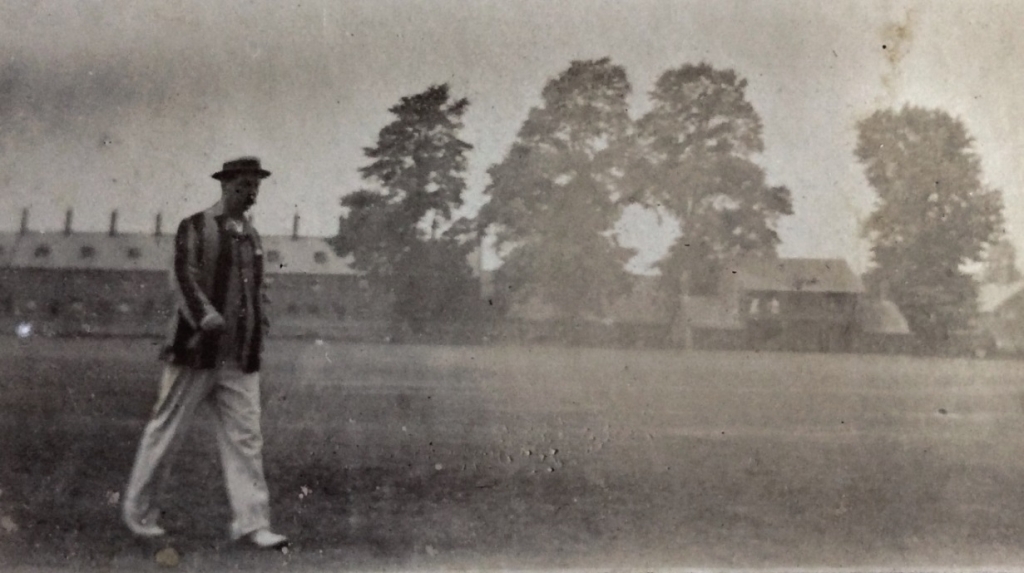
In June 1899 and June 1901, the Upper was graced by Sir Arthur Conan Doyle who made two appearances with the Incogniti Cricket Club when they played the School 1st XI. In June 1899, Doyle opened the batting for the Incogniti, scoring 9 before being run out. He also bowled but conceded 72 runs in 14 overs without taking a wicket and the match was drawn. In June 1901, Doyle returned with the Incogniti and again opened the batting, scoring 11 before he was stumped when the ball rebounded from the wicket keeper’s pads onto his stumps. Later, he bowled taking 4-49 and 3-51 the match again ended in a draw in favour of the Incogniti.
Carey’s
By 1899, the School was also using the ground by the cottages on what is now ‘Carey’s’ playing field, playing up and downhill with a ditch as one touchline. In 1913, the School Governors purchased from Sherborne Almshouse nineteen acres of agricultural land at Hyle Farm, an area known formerly as ‘Hickpark’ and ‘Hyle Cow Leaze’. The area was levelled by E.J. Freeman (former Essex & Dorset XI, cricket professional at Sherborne School 1910-1946, and Head Groundsman 1910-1949) and his grounds staff, assisted intermittently by boys and masters. A.H. Trelawny-Ross reckoned that nearly a quarter of a million turves (3 ft. x 1 ft.) were cut, taken up and relaid, some 82,000 square yards of ground levelled and about 46,000 cubic yards of heavy soil shifted. Added to this about 520 yards of solid hedge and bank was removed and some two thousand yards of land drains laid.
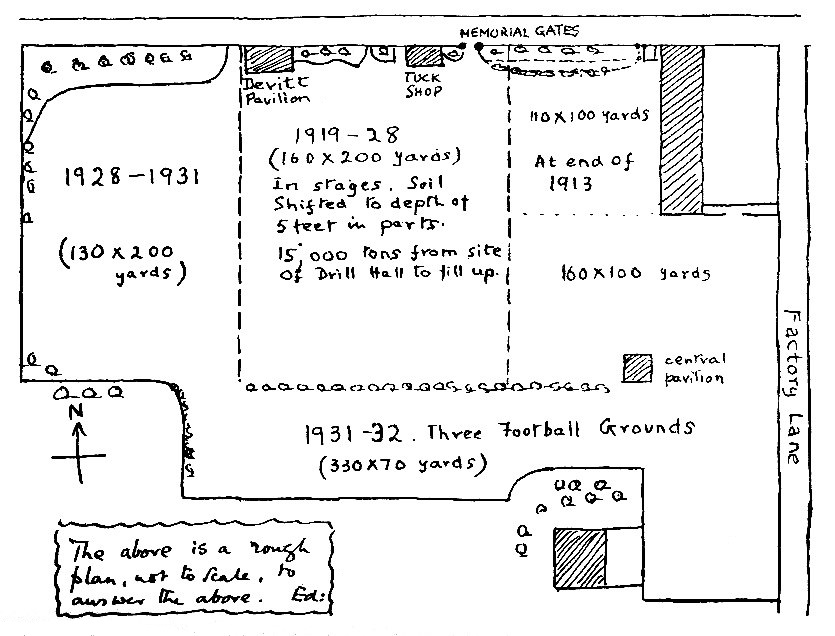
In 1927, Old Shirburnian Howson Foulger Devitt (1869-1949) (School House 1881-87) presented a smaller pavilion for the new field. Known as the Devitt Pavilion, it was unfortunately badly damaged when Sherborne was bombed on 30 September 1940 and was replaced by a brick shelter. Ironically, it was Howson Devitt’s son, Squadron Leader Peter Devitt (1911-1997) (School House 1924-29), who led the eight RAF Spitfires that intercepted the Heinkel 111 bombers over Sherborne on 30 September 1940.
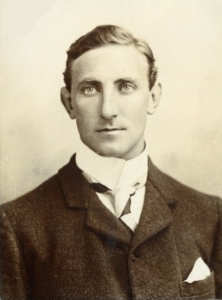
In 1928, the whole area was renamed ‘Carey’s’ in memory of Godfrey Mohun Carey (1872-1927), a former pupil of the School (Abbeylands 1886-1891) who went on to play rugby for England, Blackheath and Somerset, and returned to teach at Sherborne School in 1897, becoming Housemaster of Abbey House (1908-1927) until his death on 18 December 1927. For 25 years, Carey was master-in-charge of the School Games and Fields, and in 1923 he founded the Sherborne Pilgrims, a society for encouraging Old Shirburnian sporting activities.
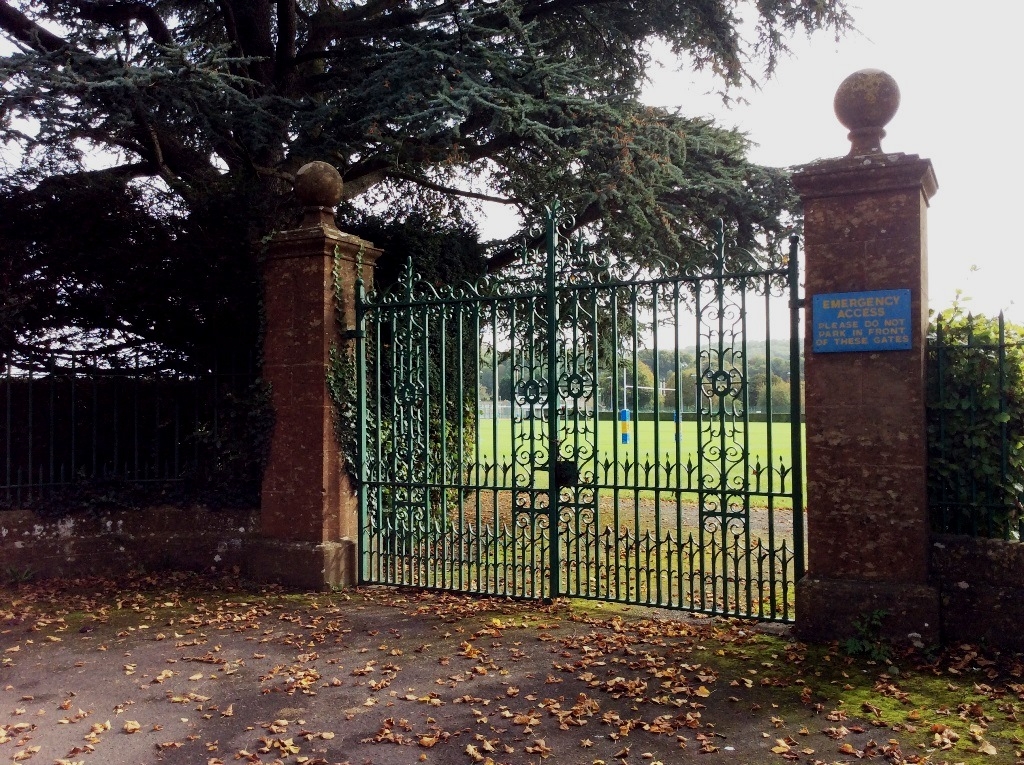
In Carey’s memory, the Sherborne Pilgrims gave a pair of wrought-iron gates, designed by Leonard David (art master at Sherborne School) and made by Mr King, which were hung upon pillars of Ham Hill stone built by Mr J. Park at the entrance to Carey’s playing field. At the formal opening of the gates on 24 December 1928, Littleton Charles Powys (Vice-President of the Sherborne Pilgrims) said that the memorial bore witness to the deep affection which the Sherborne Pilgrims and Old Shirburnians and many others held the memory of Godfrey Carey. Littleton Powys added that it was principally due to Carey’s enthusiasm, energy, foresight, and initiative, coupled with the industry and devotion of E.J. Freeman (the School’s cricket coach) and many others, and the support of the Governors, that the School now possessed those splendid playing fields which so rightly bore Carey’s name.
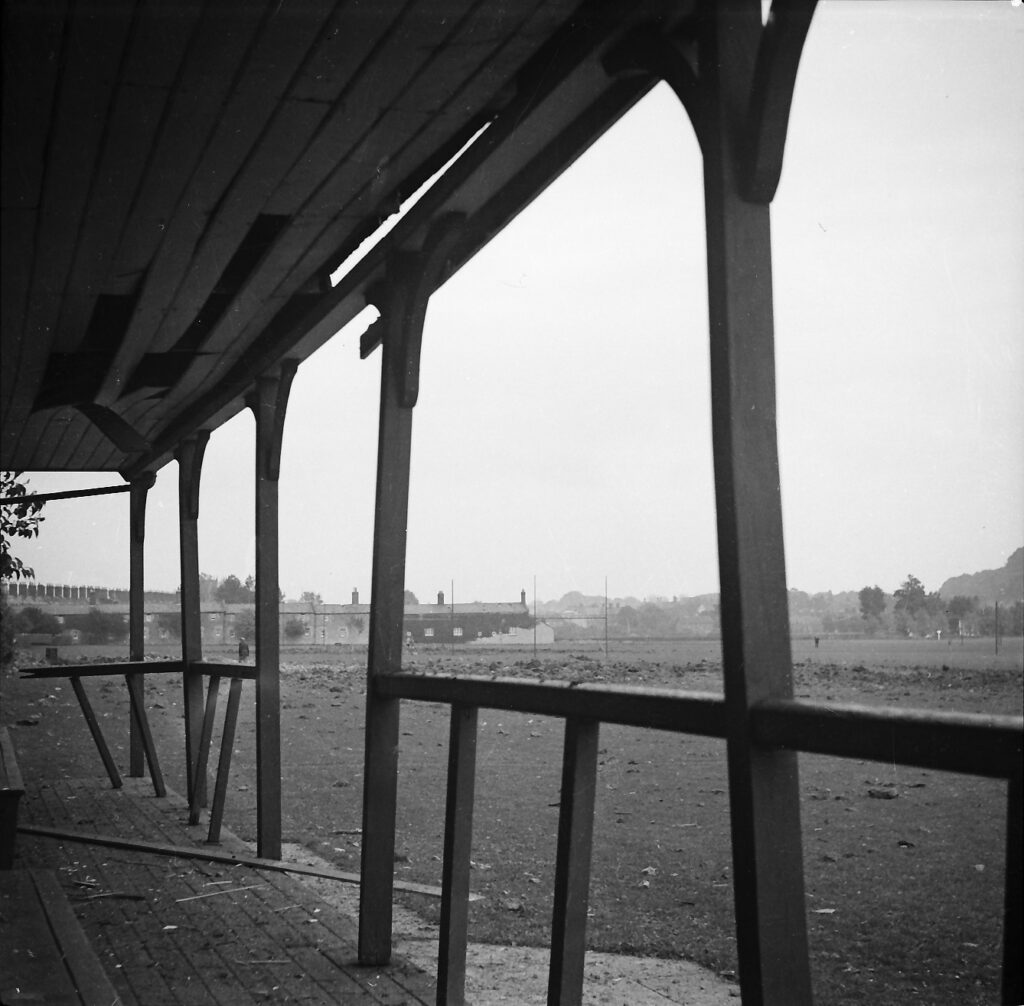
Between 1928 and 1931 the last area of the western end of the field was levelled and in 1932 the work was brought to a close by the completion of three more grounds, nos. 8, 9 and 10, the whole being much improved by the laying out of hedges, fencing and paths, the erection of bicycle racks and the Tuckshop Pavilion; the latter was surmounted in 1950 by a much-needed clock, the parting gift of Headmaster A.R. Wallace.
In 1913 the Central Pavilion (known for some obscure reason as the Chinese Pavilion) was put up on Carey’s, and in 1927 the Devitt Pavilion was built but, after it was badly damaged when Sherborne was bombed on 30 September 1940, it was replaced by a brick shelter. A handsome wooden pavilion, built in 1968 from War Damage money, marks the boundary between Carey’s and Ross’s.
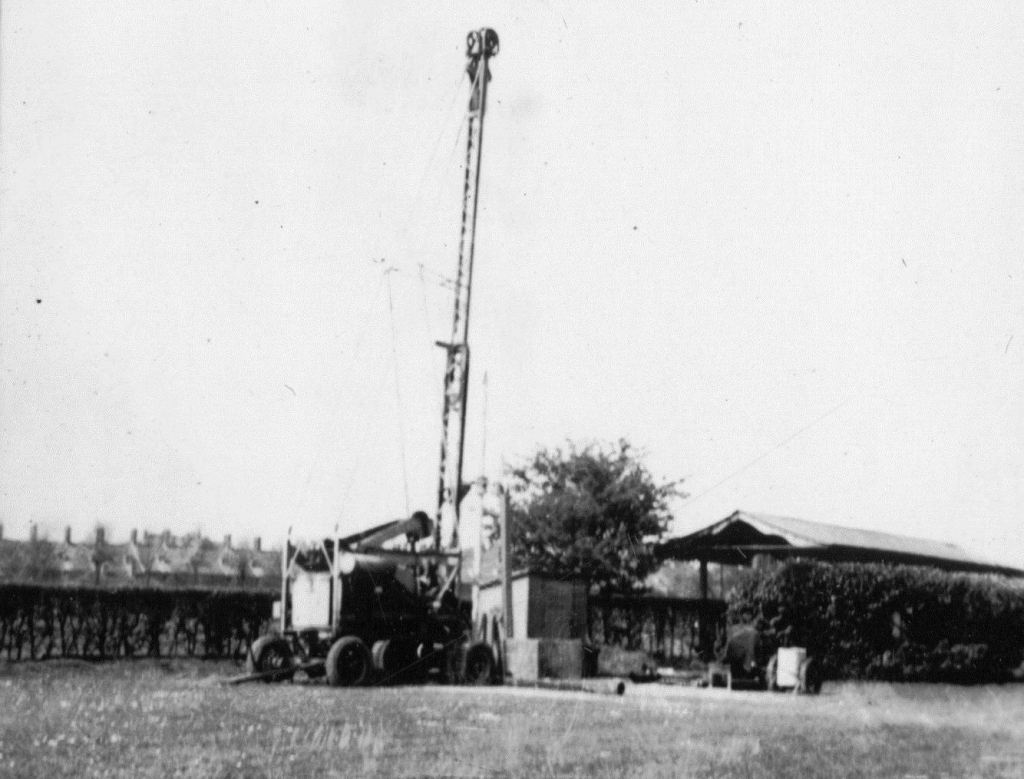
In 1953, an artesian well, divined by a hazel twig, was put on Carey’s with hydrant points.
Ross’s
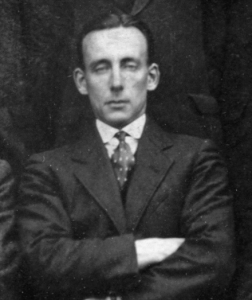
In 1928, Alexander Hamelin Trelawny-Ross (housemaster of Lyon House 1914-1946) purchased Westbridge Farm and 30 acres with the intention of securing the grounds for the use of the School. Trelawny-Ross was born in Ireland on 10 September 1884. He attended Sherborne School (School House) from 1899 to 1905 (where he was Head of the School, and Captain of Cricket and Football for two years) and went on to Merton College, Oxford. After a brief stint as a master at Sandroyd Boys’ Preparatory School in Cobham, Surrey, he returned to Sherborne in 1911 as an Assistant Master. Trelawny-Ross was made Housemaster of Lyon House in 1914 and from 1927 to 1936 was Master-in-charge of Games and Playing Fields.
Trelawyn-Ross retired in 1946 and moved to Hyle Farm where he died on 28 January 1967. In 1952, the School Governors had purchased 12 acres of Hyle Farm. The whole area was eventually bulldozed and, thanks to the boys working en masse removing stones one summer Sunday afternoon in 1961, the area was brought into general use in 1962 under the name of ‘Ross’s’. It was first used for cricket by the Abbey House Duckhunters cricket team on 19 May 1962.
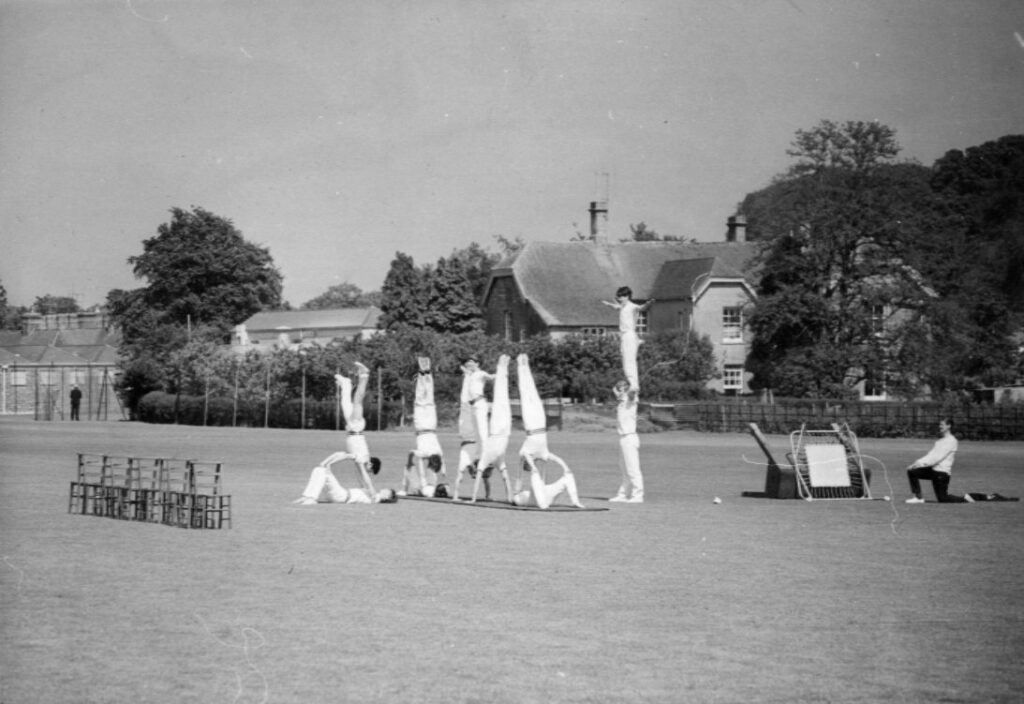
Freeman’s
The games pitches on the far side of the New Pavilion are named ‘Freeman’s’ in memory of the groundsman who did so much to develop the fields. Edward John Freeman (1880-1964) was born in Ladywell, Lewisham, Kent on 16 October 1880. On the retirement of Tom Bowley, Freeman was in 1911 appointed cricket coach at Sherborne School, a post he held until 1946, although he remained as Head Groundsman until his retirement in 1949. Freeman had started his cricketing career at the age of 13 and went on to play for Essex (1904-1910) and Dorset (1913-1928). Freeman died at Sherborne on 22 February 1964 and was buried in Sherborne cemetery overlooking the playing fields he loved. His obituary in Wisden (1939) told how he had become prominent in the cricket world for making the Leyton ground suitable for important cricket, ‘In the effort to improve the pitches and prolong the matches, he asked Sam Apted, the Surrey expert, how he kept The Oval turf so impervious to wear. Freeman was advised to apply a liquid mixture three days before the match. Surrey were the next visitors to Leyton, and Essex winning the toss, expected a perfect pitch, but on real sticky dog, their powerful batting side fell for 37 before Lockwood and Brockwell. The most attractive match of the Essex season ended on the second afternoon. Freeman had applied the mixture on each of the three days, instead of only on the third day before the match! Afterwards he produced pitches equal to any in the country and Essex prospered.’
Tribute to E.J. Freeman by Headmaster R.W. Powell
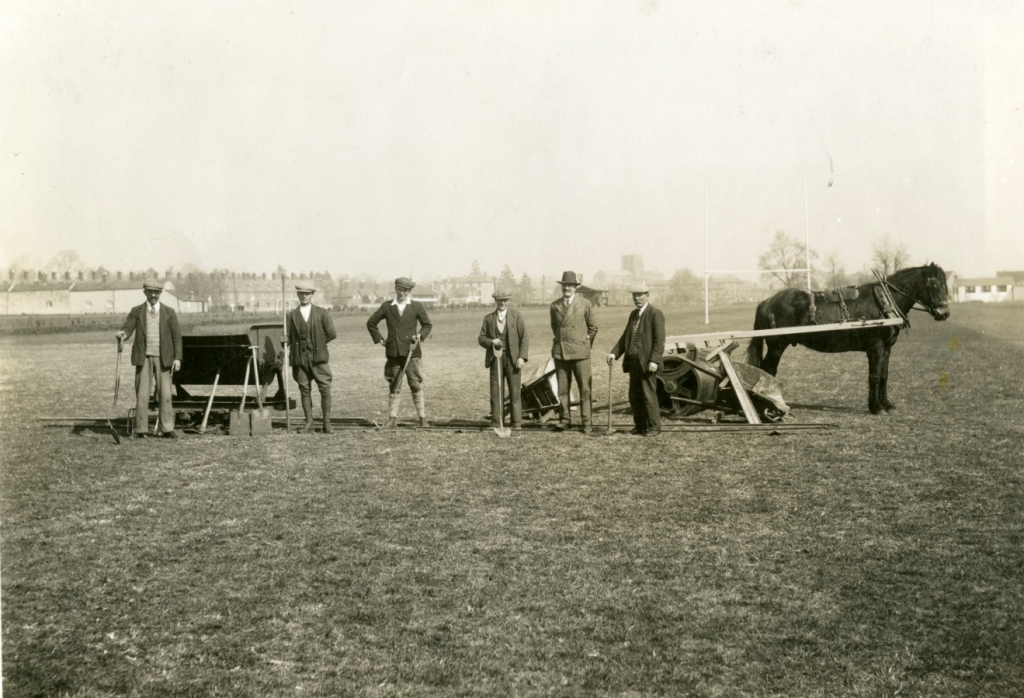
(left to right) Cecil Bartle, Walter Bown, Charles E. Mears, Reginald T. Walters, E.J. Freeman, Arthur Bartle.
Hughie Holmes Astroturf
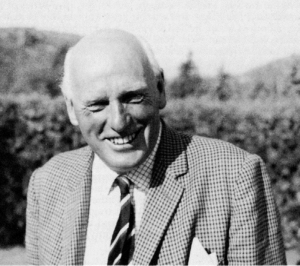
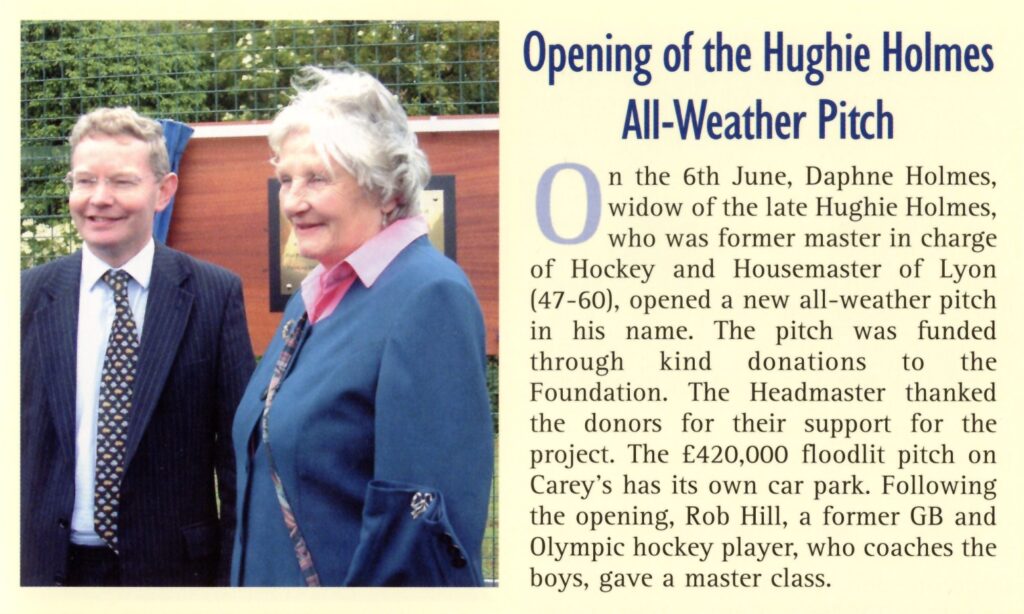
The Hughie Holmes Astroturf are located on the area formerly known as the Cabbage Patch. The astroturf was officially opened on 6 June 2003 by Daphne Holmes, the widow of Hugh (‘Hughie’) Francis Winnington Holmes (1910-1993). The opening ceremony was followed by a training session run by Sherborne hockey’s Director of Coaching, Rob Hill, former England and GB international. The new pitch was paid for by two Old Shirburnians who had been members of Lyon House when Hughie Holmes was housemaster. Hughie was born at Queenstown, Co. Cork in 1910 and educated at Haileybury. He captained the Public Schools’ Rugby XV and played for Cambridge (narrowly missing a Blue) and Eastern Counties. Having read French at Gonville and Caius College, Cambridge, in 1932 Hughie was appointed modern languages master at Sherborne School. During his time at Sherborne, Hughie was master i/c rugby football *1947-1964), Second Master (1964-1972), and Registrar (1972-1980). He represented Dorset at tennis, and at the age of 78 reached the veterans’ doubles final at Wimbledon, only to be beaten by a partnership that included Jaroslav Drobny. Hughie Holmes died at Sherborne on 18 September 1993.
Rachel Hassall
School Archivist
See also:
- Sports & Games at Sherborne School
- The early days of rugby at Sherborne School
- Team Photographs
- A.B. Gourlay, A History of Sherborne School (Sherborne, 1971)
- D.F. Gibbs, A History of (Rugby) Football at Sherborne School (Sherborne School, 1983)
- D.F. Gibbs, A History of Cricket at Sherborne School (Sherborne School, 1980)
- Robert Hands, Rugby Football at Sherborne School, with a foreword by J.A. Tallent (Sherborne School, 1991)
For further information about the Sherborne School Archives please contact the School Archivist.
Return to the School Archives homepage.